











High-performing offshore development teams.
Azendo is an ambitious software partner building and managing offshore development teams for equally ambitious companies.

 Get a team and price proposal
- No upfront fee
- No deposit
- Nothing to pay if we don't find your people
Full stack developer From USD 2,200 UX designer From USD 2,200 DevOps engineer From USD 2,400 AI engineer From USD 3,100 MLOps engineer From USD 3,000 Security engineer From USD 3,100 Android developer From USD 2,400 Test automation engineer From USD 2,100 Analytics engineer From USD 2,500 RPA developer From USD 2,400 Data analyst From USD 2,100 Frontend developer From USD 2,200 Product designer From USD 2,200 Site reliability engineer From USD 2,400 NLP engineer From USD 3,100 ML platform engineer From USD 3,000 DevSecOps engineer From USD 2,400 Flutter developer From USD 2,200 Performance test engineer From USD 2,100 Database administrator From USD 2,500 Integration engineer From USD 2,400 Quantitative analyst From USD 3,000
iOS developer From USD 2,400 QA engineer From USD 2,100 Data engineer From USD 2,500 AI automation engineer From USD 2,400 Data scientist From USD 3,000 Backend developer From USD 2,200 UI designer From USD 2,200 Cloud engineer From USD 2,400 LLM engineer From USD 3,100 Machine learning engineer From USD 3,100 Penetration tester From USD 2,700 React Native developer From USD 2,200 Manual QA tester From USD 2,100 ETL developer From USD 2,500 Workflow automation specialist From USD 2,400 BI developer From USD 2,100 Software architect From USD 4,500 UX researcher From USD 2,200 Platform engineer From USD 2,400 Computer vision engineer From USD 3,100 Model deployment engineer From USD 3,000 Cloud security engineer From USD 2,400
Trusted by teams worldwide
Offshore developers who work on your product, and only yours.
Every specialist we assign works full time for one client: you. They're in your standups and your repos from week one, and within a few months they know your codebase as well as your own engineers do.
It's made for companies whose product grows faster than local hiring can keep up. A dedicated development team from Azendo adds the capacity in weeks. The priorities stay yours. The people are ours, and so is the managing.
How it works day to day How capacity is added One team, six months
Your team, unchanged Capacity added by Azendo
Try us, at zero risk.
- No deposit
- No upfront fee
- No commitment
We agree a time to hire with you. If we can't find the right people for your team within it, you walk away with no commitment and nothing to pay.
Get in touchYour offshore development team in four steps.
From the first call to an offshore development team shipping on your roadmap in four to six weeks, and you sign off every step.
Step 01
Share your roadmap
Tell us what you're building and where you're short on hands. A short brief is enough.
Step 02
We build your team
We pick AI-trained specialists for the roles you need and propose the hours and a start date.
Step 03
Your team starts
They work in your tools and your sprints. Your service delivery manager runs the show and keeps you posted.
Step 04
Scale when you need to
Add people or hours at the next monthly cycle. Same agreement.
We run everything around your offshore development team.
Staffing providers hand you a developer and leave the rest to you. We do offshore staffing and staff augmentation as a full service, and take care of everything around the people, from the office and the coaching to the delivery itself. You get a world-class offshore development team without having to run one.
"Every partnership gets all of us. Your team is ours to stand behind, every single day."

Price examples
Junior level unless marked, full time, everything below included. Mid-level and senior levels are priced in your proposal. All 27 things included ››
- Full stack developer From USD 2,200 per month
- Backend developer From USD 2,200 per month
- Software architect From USD 4,500 per month, mid-level
-
Service
We manage and develop the team
- A service delivery manager who runs the team and answers for delivery
- A 1:1 with our Head of Delivery every two weeks
- Weekly delivery scoring and monthly capacity reports
- A Talent Success Manager for every specialist
-
HR
We are the employer
- Recruitment and technical assessment
- Employment contracts
- Salary and payroll
- Tax and social security
-
Facilitation
We provide the workplace
- A desk in our own office in Chiang Mai or Bangkok
- A Workplace Experience Manager on site
- Team events through the year
- IT support
-
Equipment
We supply the tools
- Laptop and hardware
- Software licences
- LinkedIn Learning access
- Device security and management
Inside Azendo · Chiang Mai and Bangkok See the offices




Start with one or two developers and grow your team from there.
Backend, frontend, mobile, QA, cloud, data or AI. Start with what you need today and add the next skill when the roadmap asks for it. Your offshore development team grows under one agreement and one service delivery manager.

Mobile development
All mobile development roles →
UX/UI design
All UX/UI design roles →
QA and test automation
All QA and test automation roles →
Cloud and DevOps
All cloud and DevOps roles →
Data engineering
All data engineering roles →
AI engineering
All AI engineering roles →
AI automation engineering
All AI automation engineering roles →
MLOps engineering
All MLOps engineering roles →
Data science
All data science roles →
Cybersecurity
All cybersecurity roles → Finance and banking fintech, payments, core banking
Insurance insurtech, claims, policy admin
Real estate and property proptech, portals, tenant apps
Healthcare and life sciences medtech, clinical tooling
Education and training edtech, learning platforms
Marketing and creative martech, campaign tooling
Retail and eCommerce storefronts, checkout, ERP
Offshore developers who already know your industry.
Our teams have built software for banks and payment companies, insurers, property platforms, healthcare, education, marketing and retail. They already know the tools and the rules of your sector, so sprint one goes straight into your product.
The industries we work inHow our offshore development teams think about AI.
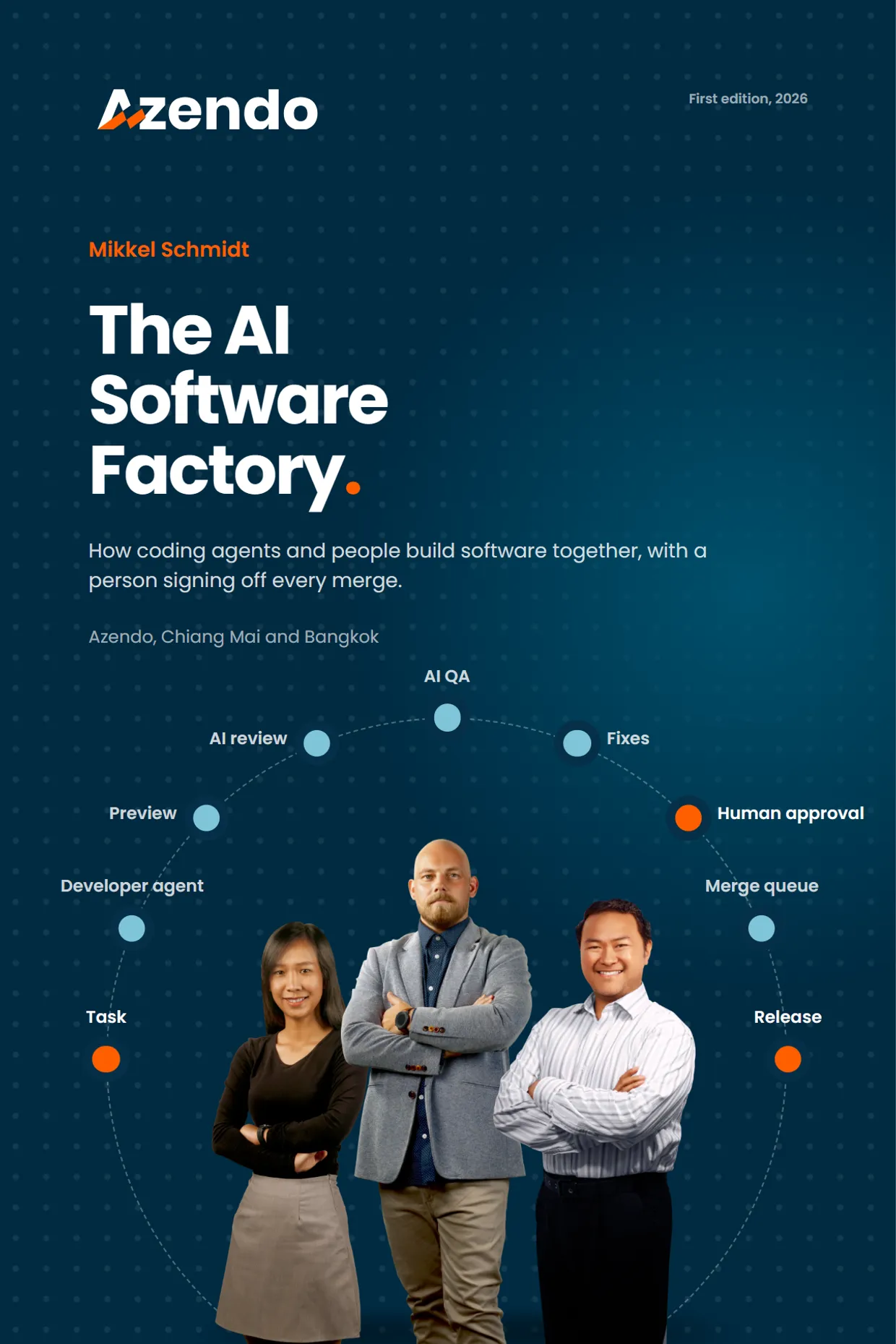
The AI Software Factory is our free book on AI agents in software teams. It covers the research, the ways teams run agents, and a full design from our DevOps engineers where agents plan, write, review, test and fix code and a person approves every merge.
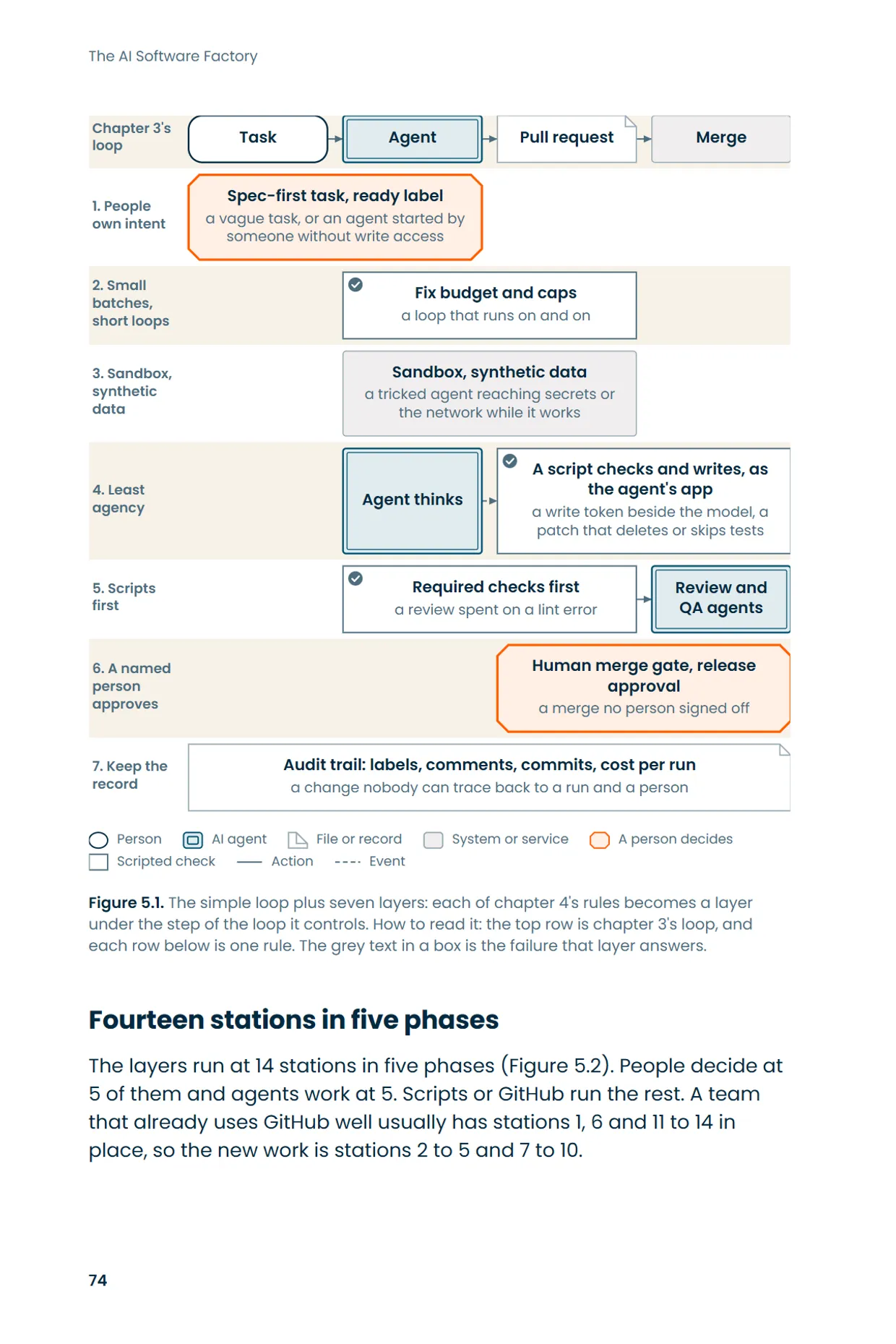
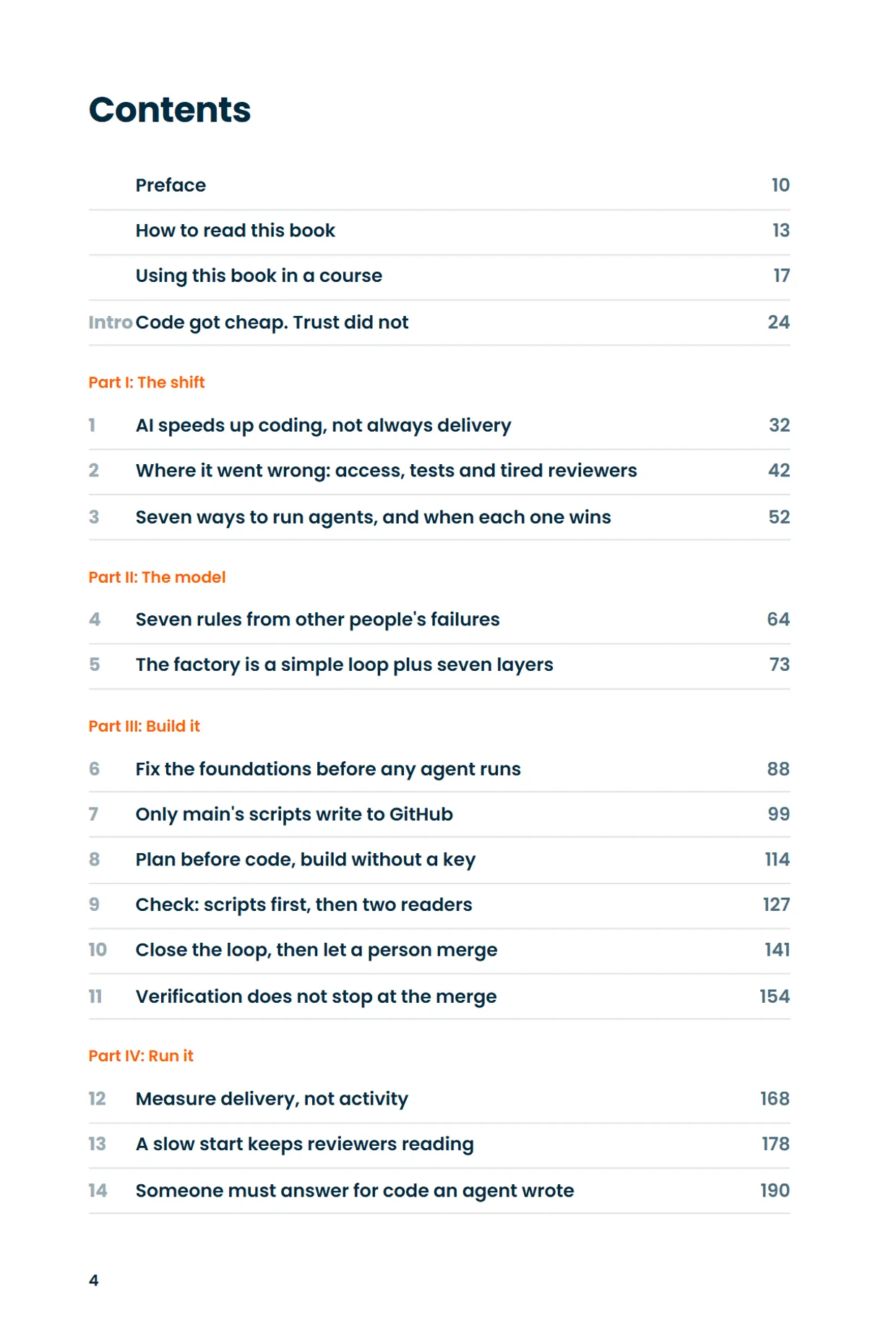
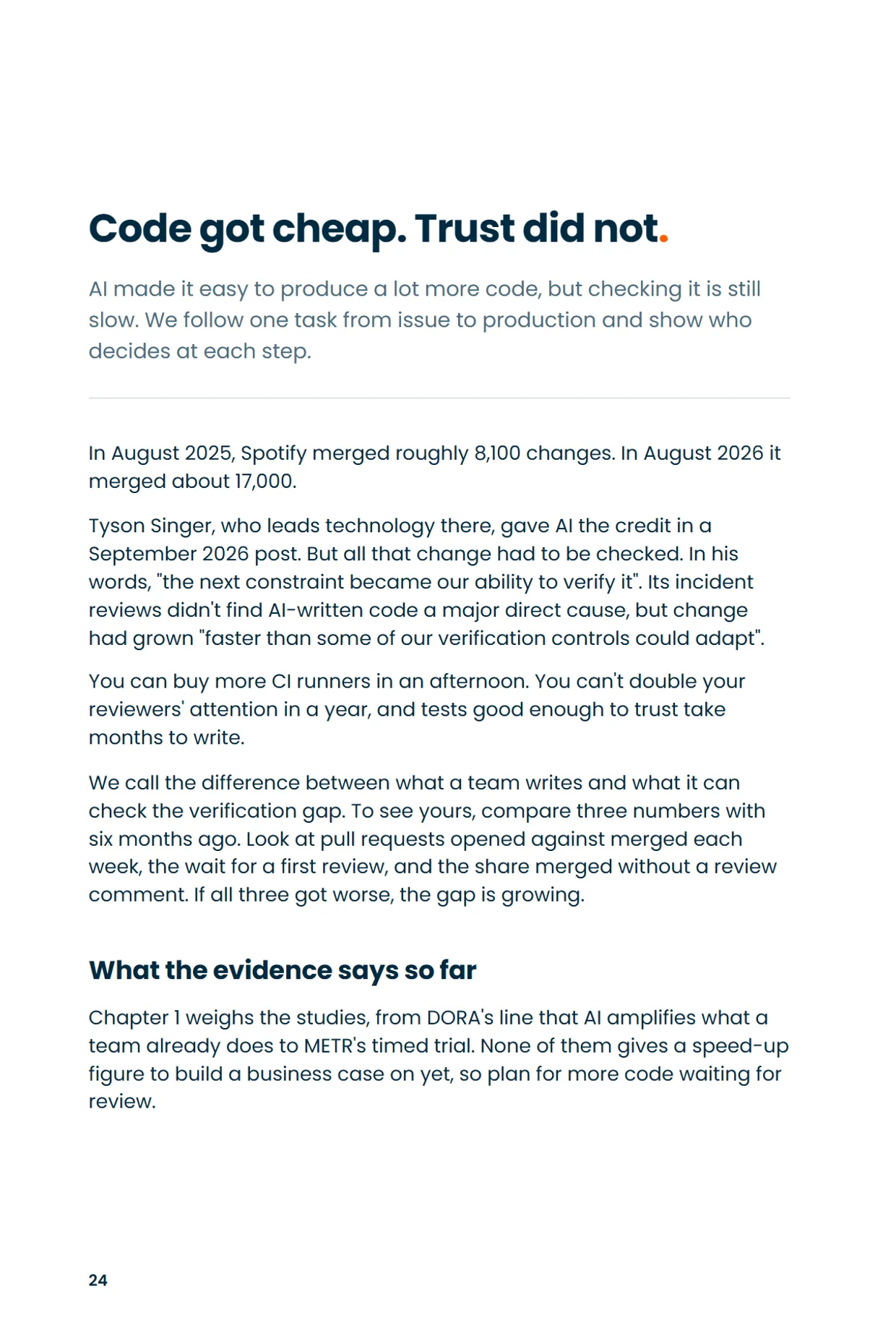
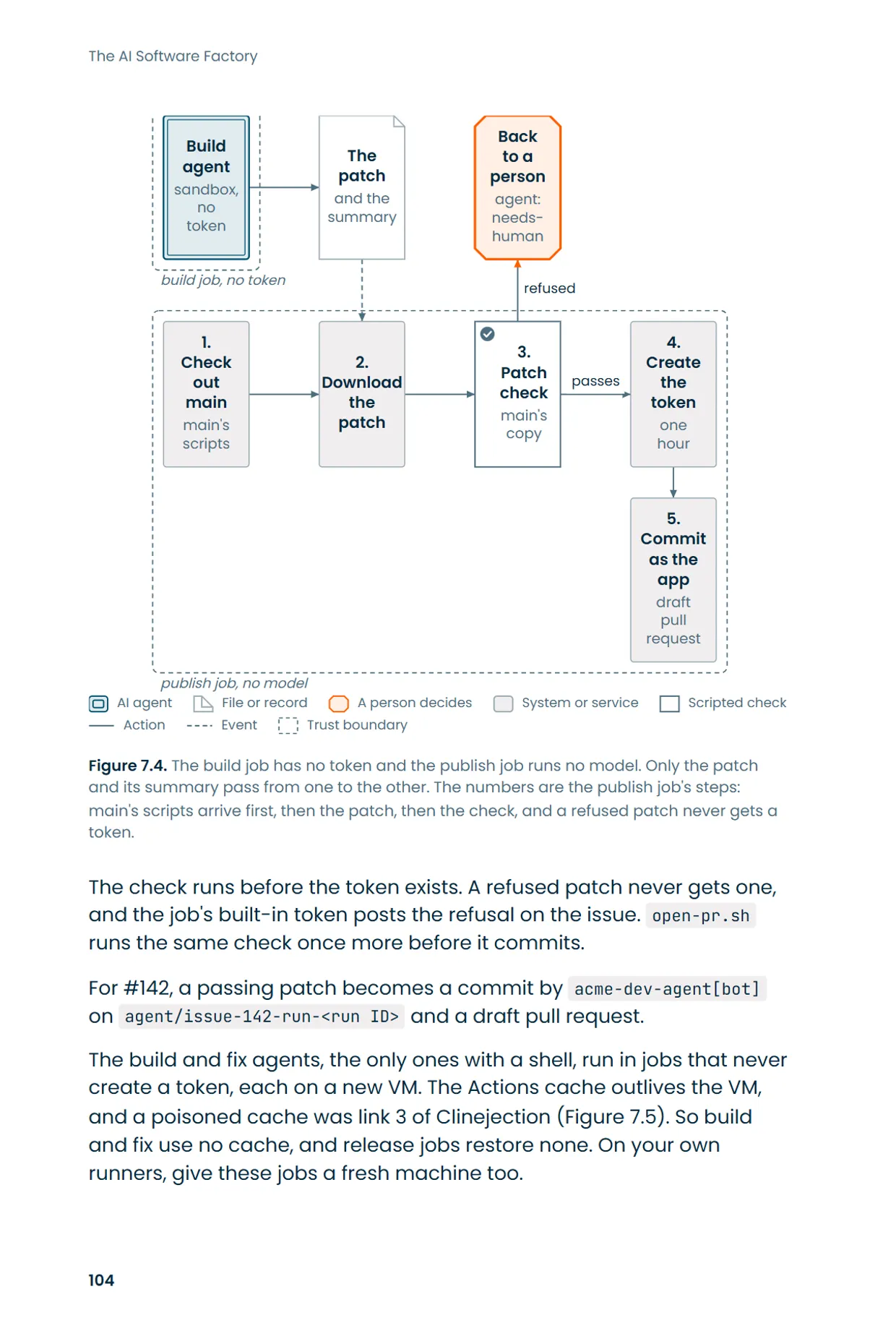
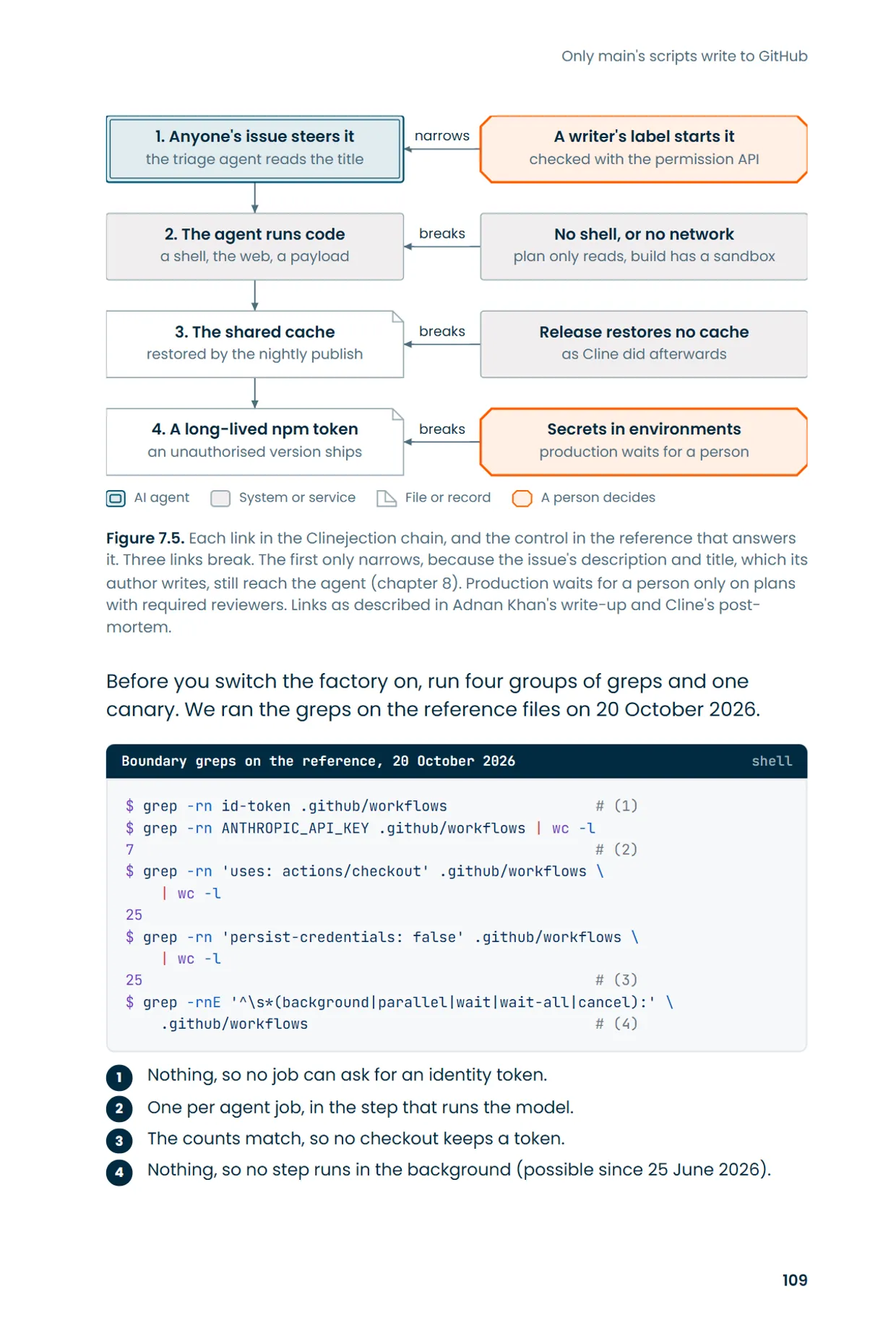
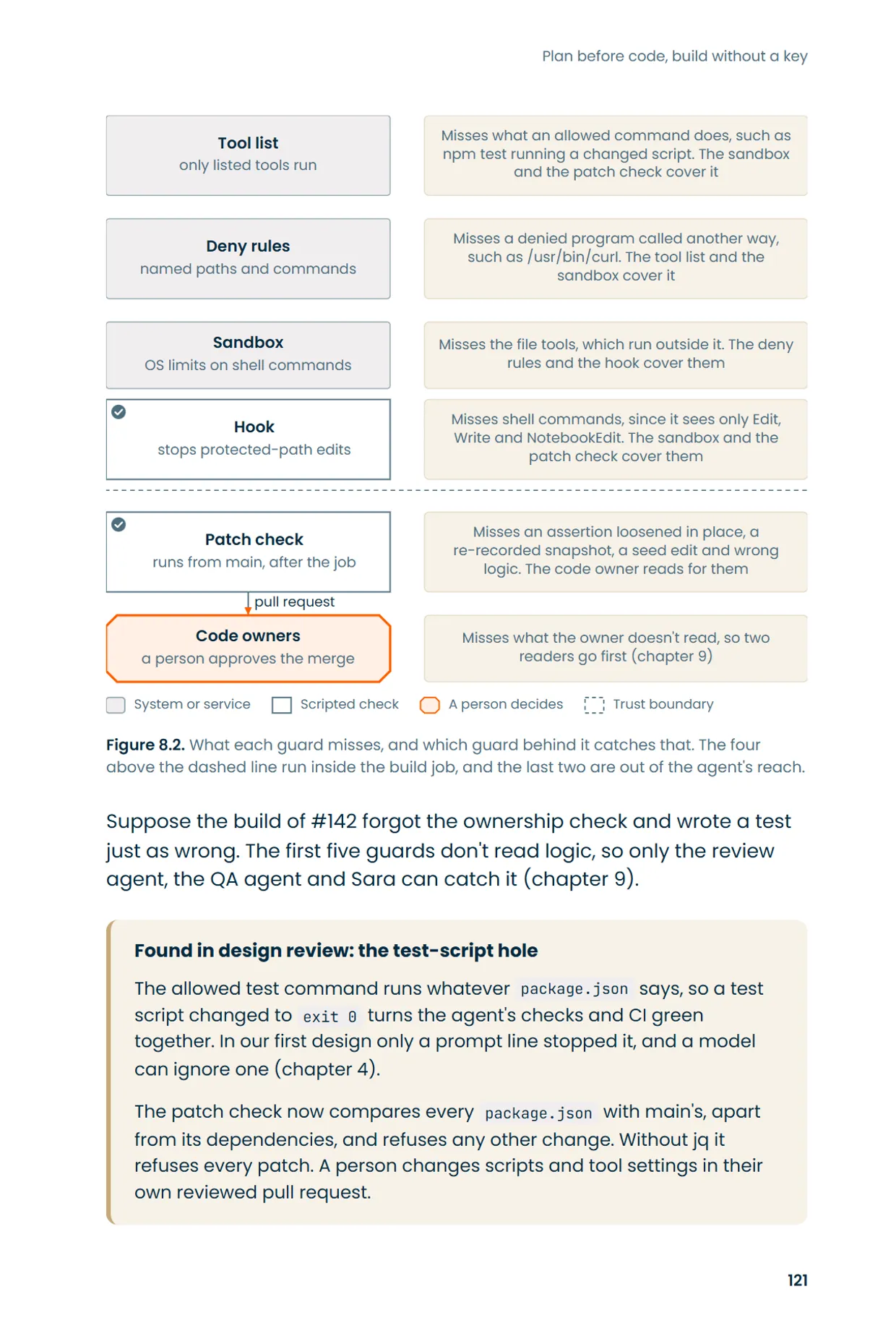
- The evidence for and against AI coding, with the sources
- A complete design, with every file in a free reference pack
- What it costs to run, with the maths shown
You own the roadmap. We run your offshore development team day to day.
The priorities and the code stay yours. Everything it takes to build it well is on us.
Value for money, at another service level
One fixed monthly fee covers the developer and the 27 things around them, from delivery management and training to the office and HR. No upfront fee, no management surcharge, no equipment bill.
How the monthly fee is builtThe people we select
We test culture, mindset and hard skills before anyone joins a client team. Roughly one in twenty-five makes it, and every one of them has a development plan built around your goals and theirs.
How we selectReal communication
A delivery survey every week, a report every month and a check-in every two weeks with you and the team. If something is off, you hear it from us early.
Why Azendo
2010
Founded in Thailand as VSI GROUP
16 years
Delivering for partners worldwide
Sixteen years as an offshore software development company in Thailand.
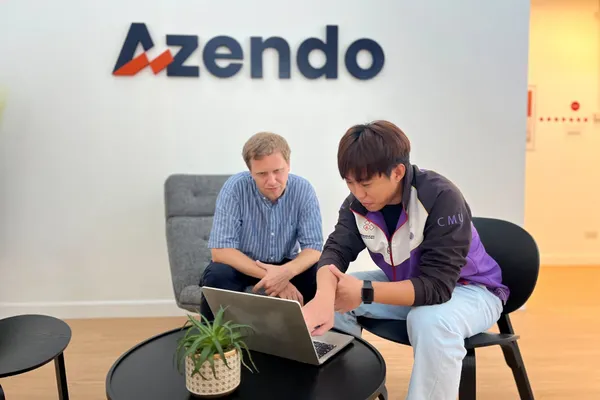
Mikkel Schmidt came to Chiang Mai from Denmark in 2010 and started a small agency called VSI GROUP. It grew into a company that builds offshore development teams for long-term product work, and in 2022 it became Azendo, from the Latin ascendo, to climb.
Today we're around a hundred people in our own offices, a floor in Chiang Mai and a second office in Bangkok, all on our own equipment. Azendo is BOI-registered in Thailand.
"We believe in direct and honest communication, and we own what we promise."
Mikkel SchmidtCEO and founder
Latest from the newsroom.
All posts
PHP2Shell: the PHP vulnerability that took government websites offline, and how to fix it
PHP2Shell, the PHP vulnerability that took Belgian government sites offline: what happened, how AI found it, and how your team patches and checks servers.

The AI Software Factory: a free e-book on AI agents in software teams
A free e-book on AI coding agents in software teams: the evidence, seven ways to run agents, a full design with a person approving every merge, and the cost.
What exactly is a dedicated software team? And why is Azendo so different?
A dedicated software team at Azendo: a zero-risk start, a weekly score, Talent Success for every developer and a delivery manager who steps in early.
What partners say about their offshore development team.
Two managing directors, in their own words.
SaaS · Software development
“Azendo delivered great service. The team developed SaaS platforms that support all-in-one digital fire safety solutions, delivering the web app alongside native iOS and Android apps. The system centralizes fire plans, drawings, legal requirements, ownership mapping, and much more. Workflows were designed around how construction teams, facility managers, and technicians actually operate on-site, streamlining what was previously scattered across paper and disconnected systems.”
 Morten Kjærgaard Myrup Managing director, E-fire
 NordicWorkflow Rust development · Mobile development
“We were initially skeptical about the outsourcing industry, but our experience with Azendo, along with their level of competence and professionalism, has completely changed our perspective. We have successfully collaborated with Azendo on several projects over the past 2 years.”
 Adrian Ravn Nielsen Managing director, NordicWorkflow
 What companies ask before they build an offshore development team with us.
What is an offshore development team?
An offshore development team is a group of developers in another country who work on your product as part of your team. Ours work full time for one client, from our own offices in Chiang Mai and Bangkok, with a service delivery manager who owns delivery. You pay one fixed monthly fee, and our people stay with us 3.3 years on average.
Are you a staffing company or a software development company?
Both, really. We're an offshore software development company that does staffing and staff augmentation for tech roles as a fully managed service. Our developers work full time on your product, and a service delivery manager on our side owns planning, quality and what ships. You set the priorities. You don't manage individuals.
How is this different from a project agency?
An agency builds a project, hands it over and moves on. Our teams stay. The same offshore developers work on your product month after month, and everything they learn stays with you.
Who does the work?
Named specialists in our own offices in Chiang Mai and Bangkok, full time on your product. You always know exactly who is on your team. See how we pick them when you hire offshore developers.
Who manages the offshore development team?
We do. Your service delivery manager keeps the team on track and owns the result, in good sprints and bad ones. You decide what gets built.
What happens if a developer leaves?
We find and onboard the replacement, and your roadmap keeps moving. Good documentation keeps the knowledge in more than one head, and your service delivery manager plans the handover with you.
How is it priced?
One fixed monthly fee for an agreed number of hours, the same every month. We'll quote it after a short scoping call.
How quickly can our team start?
Usually four to six weeks after signing, with a firm date in the proposal. You meet the specialists before anyone is assigned. Nothing is paid before their first working day, and if we can't find the right people in the agreed window, you walk away at no cost.
Can we add disciplines later?
Yes. Add QA, DevOps, design or data people as the product grows, under the same agreement. New roles join at the next monthly cycle, and your service delivery manager makes sure the rest of the offshore development team keeps its pace.
Can the team work remotely inside our own tools?
Yes, that's how every team works. Your remote team joins your Slack or Teams, your repos, your tickets and your sprint rituals. Only the people on your team get credentials, and the code is always yours.
Is this the right model for us?
It's made for companies with a product that keeps growing and a roadmap that runs for years. The longer the roadmap, the more it pays off, because the same people stay on it. Still comparing? staff augmentation vs managed services puts the two side by side.
Let's talk about your roadmap.
Thirty minutes with a service delivery manager. You'll know what team you'd need, what it would deliver and when it could start.
- No deposit and no upfront fee
- No commitment until the right people are on your team
- If we can't find them inside the agreed window, you walk away at no cost

 The people you would talk to. No slides, no sales script.
 Loading the form…
We reply within one business day.

